


Introduction
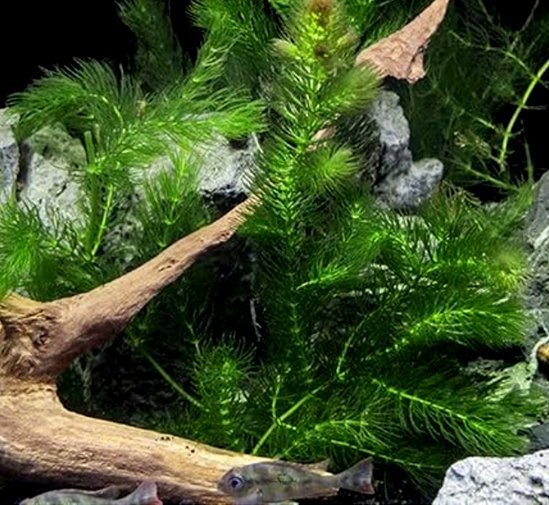
Ceratophyllum demersum, also known as Hornwort or Foxtail, is a popular submerged aquatic plant commonly found in ponds, lakes, rivers, and aquariums. It belongs to the family Ceratophyllaceae. The plant is completely aquatic, meaning it grows entirely under water and does not have true roots. Instead, it floats freely or anchors itself lightly to the substrate with the help of rhizoids.
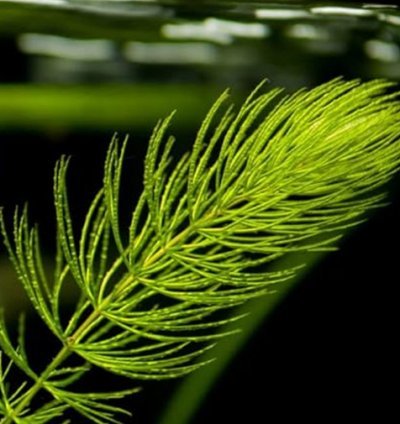
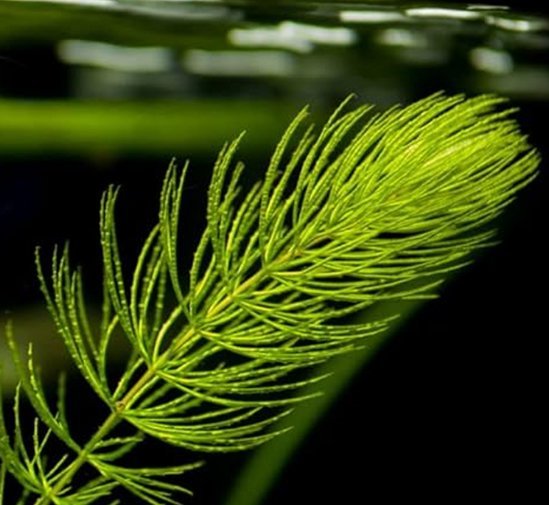
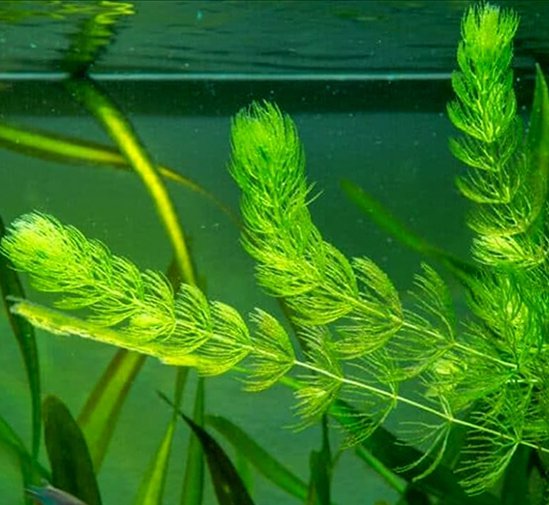
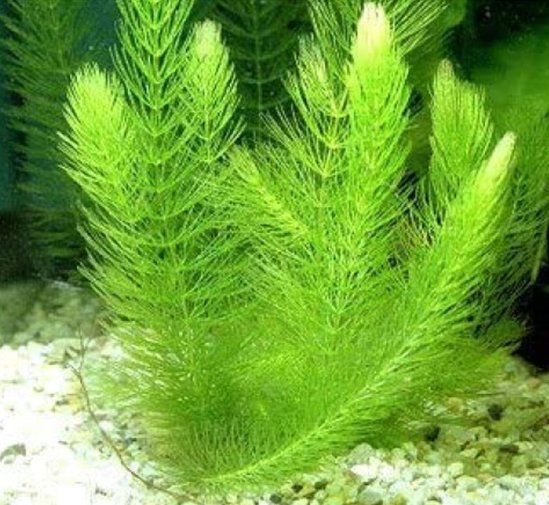
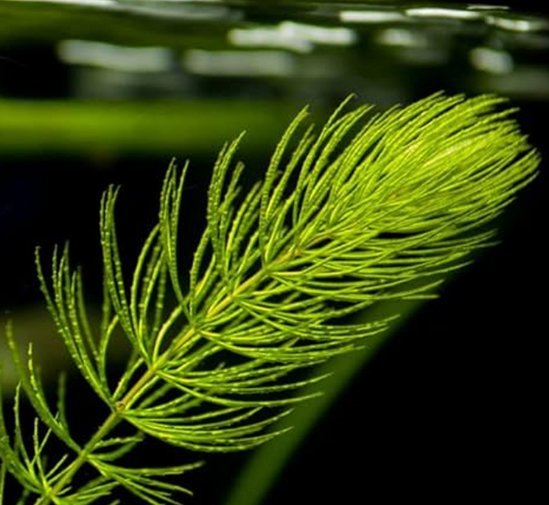
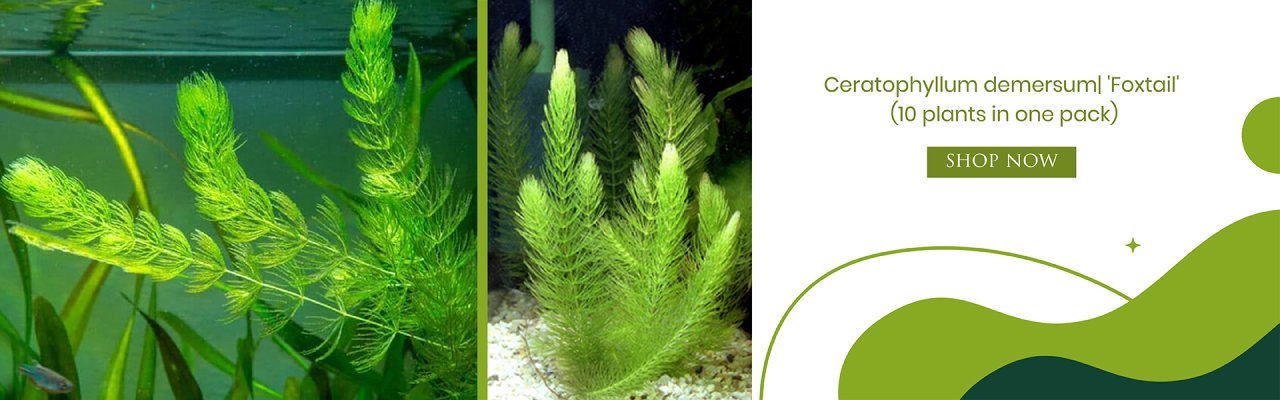
The plant gets its name “Foxtail” because its leaves grow in dense whorls around the stem, resembling a fluffy fox’s tail. The leaves are thin, bright green, and finely divided, which gives the plant a soft and bushy appearance. These leaves not only add beauty but also provide shelter for small fish, shrimp, and aquatic insects.
Hornwort is widely used in aquariums because of its ability to oxygenate water, absorb excess nutrients, and control algae growth. It is also hardy and adaptable, making it suitable for beginners in aquarium keeping.
Characteristics, Growth, and Importance
Botanical Features
Scientific Name: Ceratophyllum demersum
Common Names: Hornwort, Foxtail, Coontail
Type: Submerged, free-floating aquatic plant
Leaves: Whorled, finely divided, feathery structure
Reproduction: Both by fragmentation (breaking of stem parts) and by seeds (though vegetative propagation is more common)
Growth and Adaptability
Hornwort grows quickly under favorable conditions. It does not require soil or special fertilizers. Instead, it absorbs nutrients directly from the water. Because of its rapid growth, it competes with algae for nutrients and reduces their spread.
The plant can survive in a wide range of temperatures, from cool freshwater ponds to tropical aquariums. It tolerates low light but thrives in moderate to bright lighting. In outdoor ponds, Hornwort provides shade and reduces overheating of water during summer.
Importance in Ecosystem
1. Oxygenation: Releases oxygen during photosynthesis, which is essential for fish and aquatic organisms.
2. Algae Control: Absorbs nitrates, phosphates, and other dissolved nutrients, reducing algae bloom.
3. Habitat: Provides hiding spots and breeding areas for small fish, tadpoles, and invertebrates.
4. Water Purification: Helps maintain clean water by filtering impurities naturally.
Uses, Benefits, and Care
Uses
Aquarium Plant: Decorative plant for aquariums due to its soft, green, feathery look.
Pond Plant: Provides shelter for fish and prevents mosquito breeding by covering water surfaces.
Biological Filter: Acts as a natural filter in aquariums and ponds.
Educational Plant: Used in biology studies to demonstrate photosynthesis and aquatic plant adaptations.
Benefits
Easy to grow and maintain.
Controls algae naturally, reducing the need for chemicals.
Protects small fish and shrimp from predators.
Can survive without CO₂ supplementation or special fertilizers.
Safe for most aquatic pets.
Care Instructions
Light: Moderate to bright light preferred.
Temperature: Best between 15–30°C.
Placement: Can float freely or be anchored with small weights.
Maintenance: Trim regularly, as it grows fast and may cover too much space.
Water Quality: Adaptable, but clean, nutrient-rich water supports better growth.
| Shipping Cost |
|
| Product Location | India |
No reviews found!


No comments found for this product. Be the first to comment!